
My First Tosa Washi Papermaking Experience
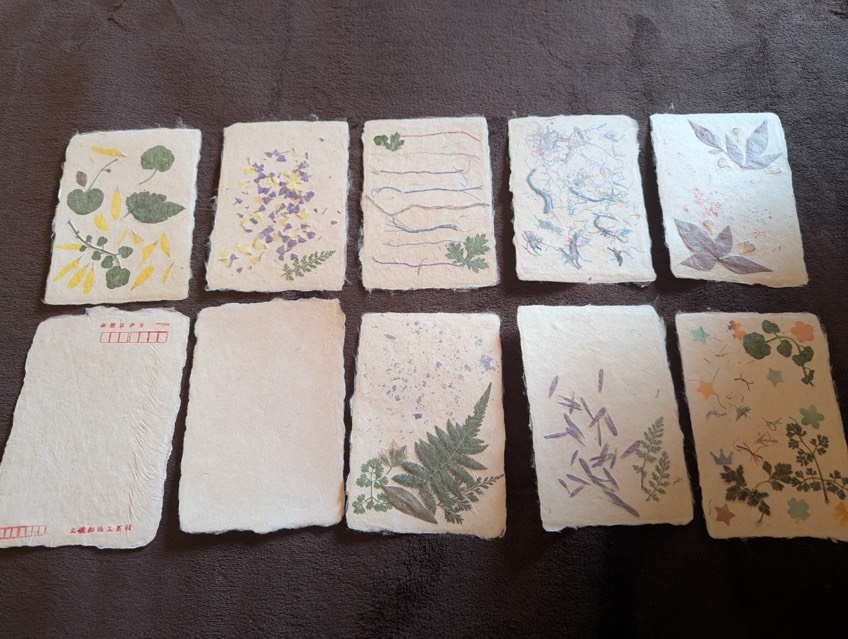
My First Papermaking Experience
I’m Hiroyuki Kusunose from the sales team, and I was born and raised in Kochi Prefecture. Despite spending my whole life here — and now working at a nonwoven fabric manufacturer — I had never once tried making Tosa Washi by hand. That changed recently, and I have to say: it was about time.
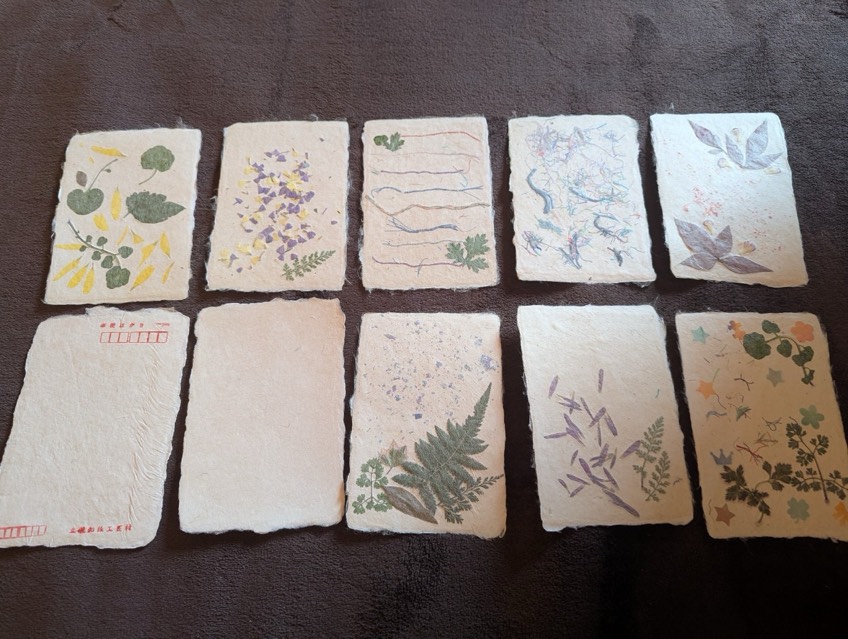
Tosa Washi is one of Japan’s three great washi traditions, alongside Echizen Washi and Mino Washi. And yet, somehow, I had let years pass without ever experiencing it firsthand. So I finally signed up for a papermaking workshop and made a postcard using mitsumata (Edgeworthia chrysantha) — a flowering shrub whose long, fine fibers have been prized in Japanese papermaking for centuries.
Washi Papermaking and Wet-Laid Nonwoven Fabric: The Same Principle
The moment I started the workshop, something clicked. The process was immediately familiar — because it’s essentially the same as the wet-laid nonwoven fabric manufacturing we do at Hirose Paper.
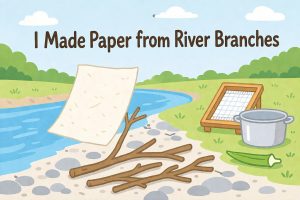
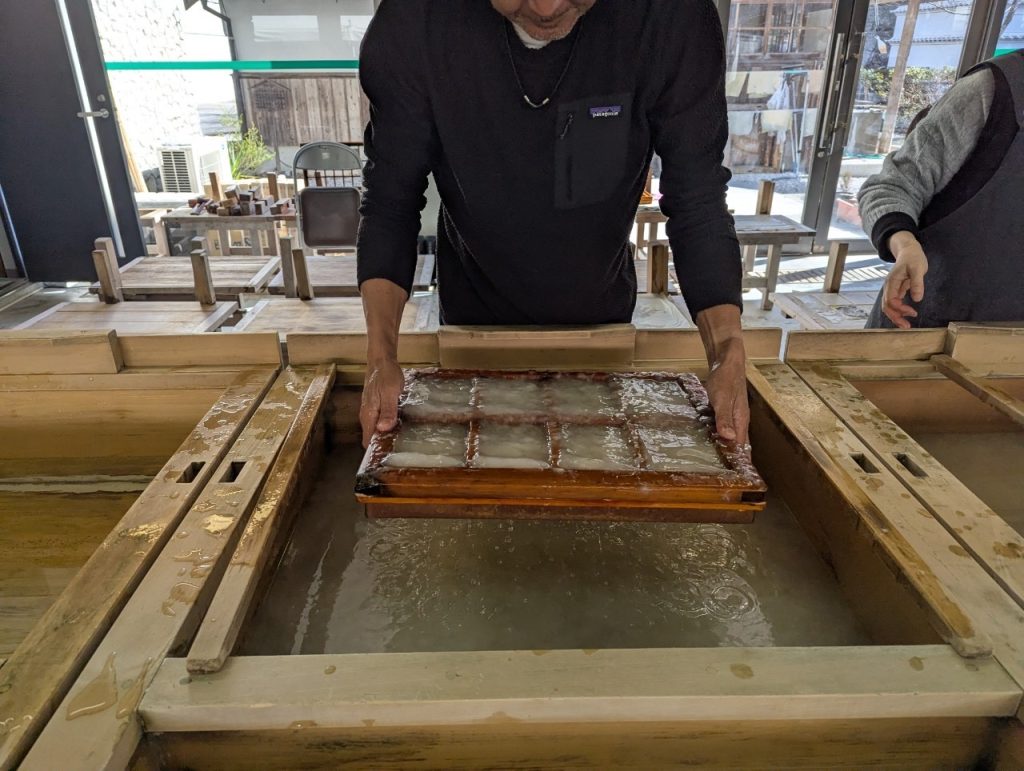
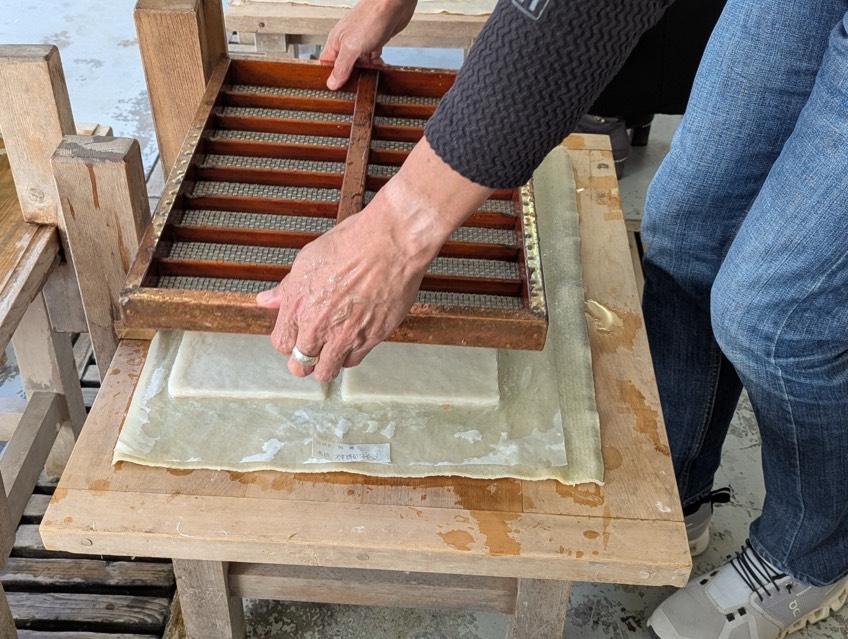
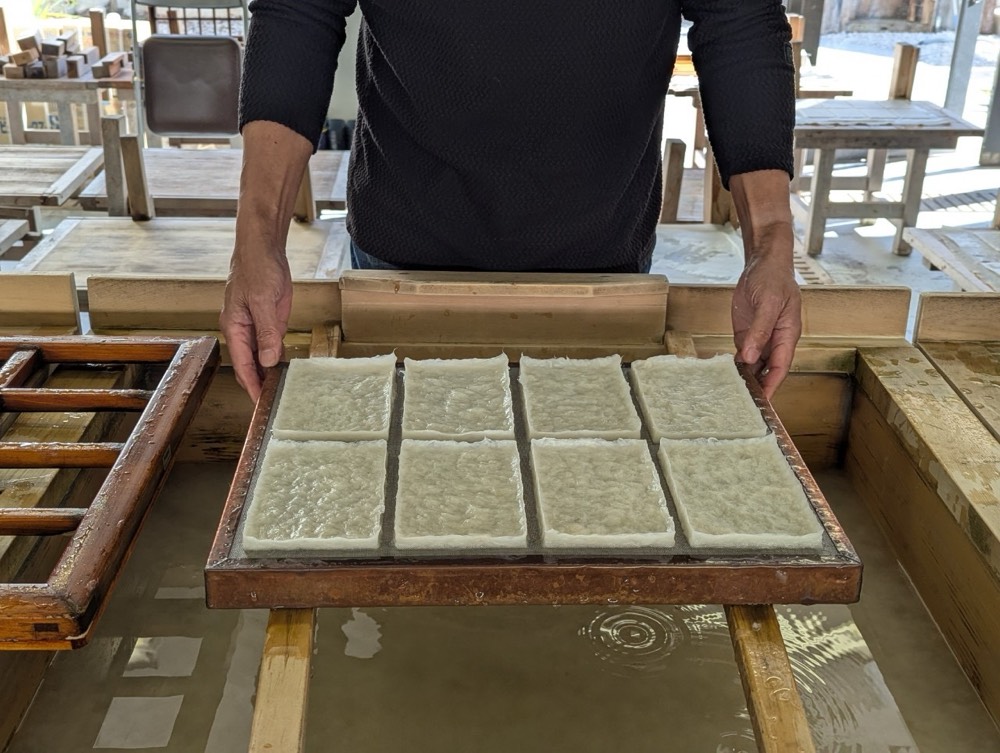
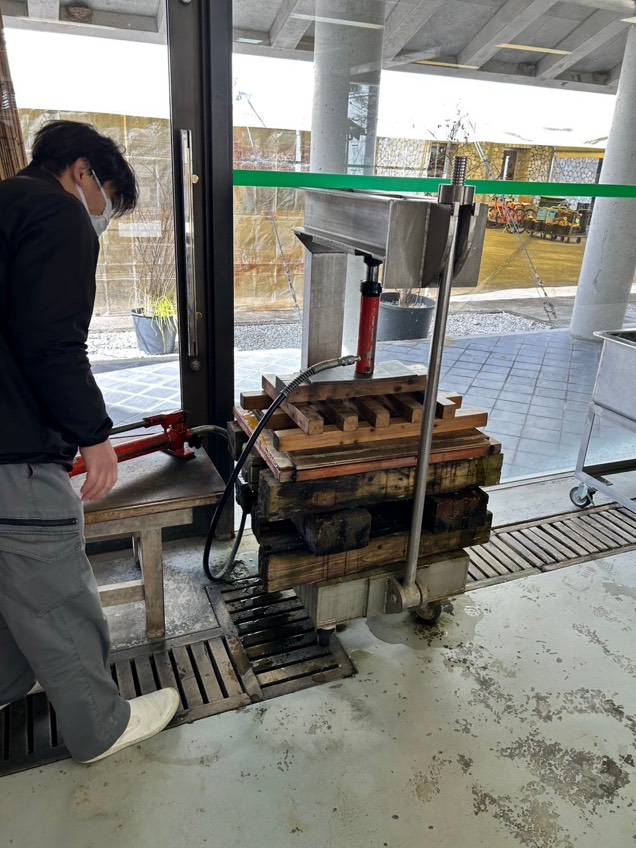
You dissolve plant fibers in water, scoop the suspension up with a bamboo screen frame (suketa), let the water drain through, press out the remaining moisture, and then dry the sheet. Step by step, the parallels were striking. Washi-making isn’t just a craft — it’s the original blueprint for what we do every day.
The beginner version of the experience is wonderfully forgiving. There’s no real way to fail. You can even press flowers or leaves into the surface to create a one-of-a-kind original postcard. But what surprised me most was the sight of the freshly lifted sheet: a thick, wobbly slab that looked almost like soft tofu just out of the mold. Watching it transform into a thin, durable sheet after pressing and drying was genuinely moving. It gave me a new appreciation for the depth of craftsmanship that goes into every piece of washi.
Come Visit Kochi
If you ever find yourself curious about Tosa Washi, I can’t recommend Tosa Washi Crafts Village QRAUD enough. The facility offers far more than papermaking — there’s an onsen (hot spring bath), a French restaurant, and even canoe experiences on the river. It’s a full day out.
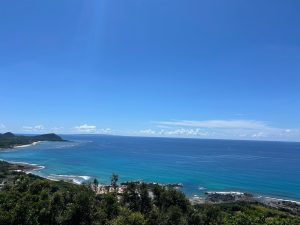
QRAUD is about 30 minutes by car from our factory at Hirose Paper. And while you’re in the area, don’t miss Niko-buchi — one of the most stunning spots along the Niyodo River, also reachable in about 30 minutes. The Niyodo River is famous for its extraordinary clarity, often called “Niyodo Blue” by locals and visitors alike. The color is something you have to see to believe.
Kochi has a lot to offer. We’d love to have you visit.